

Hidden Costs of Owning an Electric Car
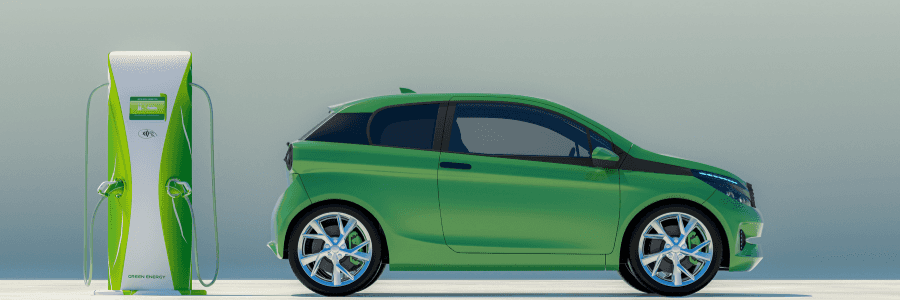
It’s official; the automotive industry is going green. Many automakers are diligently working towards achieving carbon neutrality in the coming years, which means electric vehicles (EVs) are entering dealerships worldwide, one right after another. As expected, people are buying into the eco-friendly initiative and embracing the future. And why wouldn’t they?
EVs promise many ecological benefits, plus they are cheaper to own and operate than traditional vehicles. However, there are some hidden costs associated with owning an electric car that many don’t realize or think about before purchasing. In this article, we will go over the top six costs you may want to consider before going electric.
Purchase Price
Starting on the lot, the purchase price of EVs can be pretty significant compared to gasoline-fueled vehicles. Currently, the average purchase price for a new EV is around $56,437, roughly $10,000 more expensive than the overall industry average. However, most electric vehicles are eligible for tax credits, totaling about $12,500. So, while the initial purchase price can be a bit steep, it may be worth it when looking at the future benefit of ownership.
EV Insurance
Once you purchase your electric vehicle, it’s time to acquire insurance. Unfortunately, EVs tend to come with higher insurance premiums than traditional vehicles. Since electric cars are built with some of today’s latest and greatest technology, including high-capacity batteries. These batteries are typically made of lithium-ion, a material that comes at a high price point. Plus, these batteries often need replacing as they tend to underperform or fizzle out after a certain number of miles. It’s for these reasons that insurance premiums are so high. So, until the Price of lithium-ion decreases or automakers develop a battery alternative, EV insurance will remain at a costly level.
Charging Costs
Most EV manufacturers now offer a personal, at-home “fuel” station, which includes a Level 1 charger that plugs into a 110-volt outlet. Unfortunately, these chargers tend to run slow, meaning it could take days for your vehicle to charge fully. Fortunately, you can upgrade to a Level 2 or a Level 3 charger, but it will run you anywhere from $300 to $35,000 or more for the powerful equipment. But, we wouldn’t recommend forgoing the luxury of at-home charging just yet. The fact is, public charging stations can actually be more expensive. In California, EV owners can expect to pay up to 40¢ per kWh, averaging to about $16 for a total fast charge. This same charge would only cost around $7 at home.
While these numbers may seem overwhelming, they’re not that outrageous compared to average fuel costs. In one year, motorists spend up to $2,000 on gasoline alone, whereas electric vehicle owners only spend up to $400 depending on their location and how often they drive.
Maintenance Costs
Maintaining an electric vehicle comes at a price, but it’s not as severe as what gas-powered vehicle owners pay. According to AAA, EV maintenance costs average at about $949 per year, compared to $1,279 for non-electric vehicles.
Typical maintenance for EVs includes:
- Brakes
- Tires
- Windshields, Wiper Blades, and Washer Fluid
- Power Steering
- Air Filters
- Suspension
- Door Locks
- Battery, and so on.
Electricity
As previously mentioned, the average cost for charging at home is not one to lose sleep over, at approximately 13.31 cents per kWh. However, these calculations don’t factor in the toll charging takes on your energy bill. Fortunately, there is a way to save here. Avoid charging your EV during peak charging times (between 1:30 p.m. and 8:30 p.m.). Instead, charge up between the hours of 10:30 p.m. and 6:30 a.m.
Lower Resale Value
Lastly, electric cars are known to have a lower resale value than traditional gasoline vehicles. A recent study shows that electric vehicles and plug-in hybrids offer an average resale value of less than 40% of their initial purchase price. This is a lot lower when compared to non-electric vehicles, which offer an average of 50-70%. However, analysts agree that these numbers will fluctuate as EVs become more mainstream and technology enhances.
Go Green Today
Although there are some hidden costs associated with electric and hybrid vehicles, they are so worth it! Stay tuned for our upcoming article, Advantages of Electric Vehicles, to learn more. In the meantime, shop from our online inventory of new and used EVs, and schedule a test drive delivery with one of our many locations today!

























0 comment(s) so far on Hidden Costs of Owning an Electric Car